





Compression socks for women apply graduated pressure that's firmest at the ankle and eases off up the calf. That squeeze keeps blood moving back up toward your heart, so you finish the day with less ankle swelling and less of the heavy, achy-leg feeling.
Our women's compression socks deliver 15-20 mmHg across the range, in a soft rayon-from-bamboo blend printed with corgis, cats, florals and sea creatures. We're a family of veterinarians, and we designed them around our own long shifts.
Why Women Wear Compression Socks
Long hours standing in a clinic or sitting at a desk let blood pool in your lower legs. By the end of the day that shows up as puffy ankles, deep sock marks and calves that ache the moment you sit down.
Hormones play a part too. Swollen feet are a familiar part of pregnancy, and many women find their legs feel heavier at certain points in their cycle. A steady squeeze up the calf can make those days more comfortable.
If you're dealing with mild varicose or spider veins, compression can help with the ache and heaviness that come with them. Our varicose veins guide covers what socks can and can't do there, and our rundown of compression sock benefits goes broader.
15-20 mmHg: The Everyday Compression Level
Compression strength is measured in millimeters of mercury (mmHg), and socks are usually grouped into three bands:
- Mild, 8-15 mmHg: light support for everyday tiredness
- Moderate, 15-20 mmHg: the go-to level for long shifts, travel and pregnancy swelling
- Firm, 20-30 mmHg: usually worn on a doctor's advice for a diagnosed condition
Every pair we make sits at 15-20 mmHg graduated compression. That's enough to make a real difference to swelling over a long shift, and comfortable enough to wear every day without a prescription. If your doctor has recommended 20-30 mmHg, go with their advice.
When you're comparing the best compression socks for women, check the mmHg on the label before anything else. Our guide to how mmHg levels work walks through each grade.
Compression Socks for Every Part of Your Day
Work shifts. Vet clinics, hospital wards, classrooms, shop floors and desk jobs all keep your legs in one position for hours. If you're in nursing, our compression socks for nurses collection gathers the styles we pick for ward shifts.
Travel. Long flights and road trips leave your ankles swelling in the seat. Pull on a pair from our travel compression socks before you leave home, and read up on wearing compression socks for flying.
Pregnancy. Talk to your midwife or doctor before you start. Then measure in the morning, before swelling sets in, and re-check as your calves and ankles change.
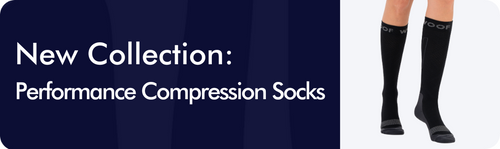
Workouts and recovery. Our Performance compression socks are made for runs, gym sessions and the sore day after, with the same 15-20 mmHg graduated fit.
Cute Compression Socks in Prints You'll Reach For
Cute compression socks for women make the daily habit easier to keep. Go for Loafing Corgis, Cats Cats Cats, Pressed Flowers or Under the Sea, or keep it simple with black, white, navy and four nude shades.
Pick knee-high for full calf support, or switch to crew compression socks and ankle compression socks for sneakers and gym days. Knee-highs sit neatly under scrub pants, dresses and jeans.
Bamboo Fabric for Long, Warm Days
Our bamboo compression socks use a rayon-from-bamboo blend that wicks sweat, dries quickly and resists odor, which you'll notice by hour ten. The fabric is hypoallergenic and gentle on sensitive skin.
The 360° knit has no seams running down the leg, and the heel and toe are knit extra thick for blister protection. The light, breathable feel makes them a good pick for summer. See how the fabric compares in bamboo vs nylon compression socks.
Finding Your Fit: Sizes and Wide Calf Options
Sizing runs Small, Medium and Large, matched to your shoe size and the widest part of your calf. Measure in the morning, before your legs swell, using our measuring guide.
Each size comes in Regular or Wide calf, and many styles add Extra Wide. If standard socks dig in at the top, browse our wide calf compression socks for women.
Our knee-high bamboo styles measure 14 inches (35 cm) heel to cuff, the number to check if you're petite or have shorter legs. They should feel snug all the way up and never painful. Our guide to how tight compression socks should be explains the difference.
Choosing Your Pair: Calf Width, Length, Then Print
Start with your calf measurement and choose Regular, Wide or Extra Wide. Then pick knee-high, crew or ankle, and the print you want to look at all shift. Every pair of our women's compression socks gives you the same 15-20 mmHg, and the full range sits in our compression socks collection.
Compression Socks for Women: FAQs
How many hours should you wear compression socks?
Most people wear them for the length of a shift or a flight and take them off before bed. Our guide to how long to wear compression socks each day covers timing.
How do I know what strength compression socks to get?
For long shifts, travel and everyday swelling, 15-20 mmHg suits most people, and it's what every pair we make delivers. Firmer grades are for diagnosed conditions, so ask your doctor before going above 20 mmHg.
Is there a downside to wearing compression socks all day?
For most people, no, as long as they fit correctly. If you have peripheral artery disease or a skin condition on your legs, check with your doctor first. Read more on when to wear compression socks and when not to.
What is the main purpose of compression socks?
They keep blood moving back up your legs, which eases swelling and leg fatigue when you're standing or sitting for long stretches.
Read more ↓